
San Francisco Arrest Log Archive
For multi-day arrest records, one archive stands out. The San Francisco Public Safety News Arrest Logs archive republishes SFPD Form 307 documents in monthly or half-month batches. Form 307 itself is an official police artifact. The host site is not. It is an unofficial publisher, tied to neither SFPD, the Sheriff, nor the courts.
Coverage runs from late December 2025 through June 2026. Some months split into days 1 through 15 and 15 through month-end. Others arrive as a single monthly item. Still, nothing guarantees permanence. Category pages shift, entries slide behind pagination, and the archive posts no retention promise.
Read San Francisco Police Blotters
Start with the event date, not the post date. Posting can lag by weeks. One March 1 to 15 batch carried a March 20 post date. June material showed up on July 24. Delays like these are normal batch behavior, not a promise for future posts.
- Open the archive and choose the PDF period that contains the approximate arrest date.
- Inside Form 307, match the name with arrest time, location, charge, and case or arrest number.
- Do not treat the form date as a Sheriff booked-on date. Booking can occur later or not at all.
- Use the official SFSO locator to determine whether a person entered and remains in county custody.
- Check the San Francisco Superior Court for later filings, hearings, and disposition.
- For a missing period, request the specific Form 307 from SFPD and identify the date range.
This habit keeps separate records separate. It also prevents mix-ups between two people with similar names. For an arrest unfolding today, skip the delayed archive. The 24 Hour Arrests page explains the same-day custody fallback instead.
San Francisco Arrest Log Fields
Form 307 tells the police side of an arrest. Its fields differ from the Sheriff locator, which tracks booking and custody. The form holds sensitive details. Identify the right event and official record without copying more personal data than your search needs.
| Form 307 field | How to interpret it |
|---|---|
| Reporting period | The daily 0001 through 2400 interval covered by that form. |
| Name | The identity recorded by SFPD; compare identifiers when names are common. |
| Arrest time | The reported police event time, which can precede jail booking. |
| Charges and statutes | Charges at that stage, subject to later change. |
| Arrest location | The reported event place, not a jail or later housing location. |
| Case or arrest number | The police identifier, distinct from a Sheriff booking number. |
| Address, birth date, sex | Historical form fields that should not be republished without need. |
| Booking photograph | Not a verified field in the public archive and not guaranteed by the host. |
The Sheriff result card looks different. It can show age, facility, SFNO, booked-on date, booking number, and total bond. It also lists court department, next court date, and charge-level docket rows. A thorough check may need both. But their values should never be merged into one record. Neither office vouches for the other's data.
Note: Form 307 covers SFPD arrests, while other agencies can also deliver people into the same county booking system.
Why San Francisco Arrest Posts Lag
The archive runs on batches. It is not a rolling 72-hour roster or an always-fresh weekly feed. Half-month documents bundle many reporting days. Monthly posts stretch even longer. Post dates wander, so a missing recent date may simply mean the next batch has not dropped yet.
SFPD's own Form 307 instructions set an internal rhythm. Each daily report covers 0001 through 2400 and reaches named department and accountability recipients by 0900 email. The form even states when no arrests occurred. That internal schedule imposes no public deadline on the secondary archive. Weekend and holiday rules go undocumented, so no routine Monday surge or holiday pause can be claimed.
San Francisco Arrest News Sources
Local reporting can add context, but it is selective. Mission Local's Trouble section covers crime and selected arrests, while its 16th and Mission project analyzes incident reports that led to arrests or citations. The neighborhood project is not an all-county booking list. It also does not turn the Mission into a separate incorporated city or arrest jurisdiction.
The San Francisco Chronicle publishes event-driven crime and court coverage, and its NewsBank text archive reaches back to 1985. KQED covers selected criminal-justice issues. The official SFPD news page announces some major investigations and arrests. None is complete. Editorial stories may use scene, supplied, or ordinary news photographs, but no routine booking-photo archive was verified.
The captured SFPD news page illustrates the difference between selected public announcements and a comprehensive blotter.
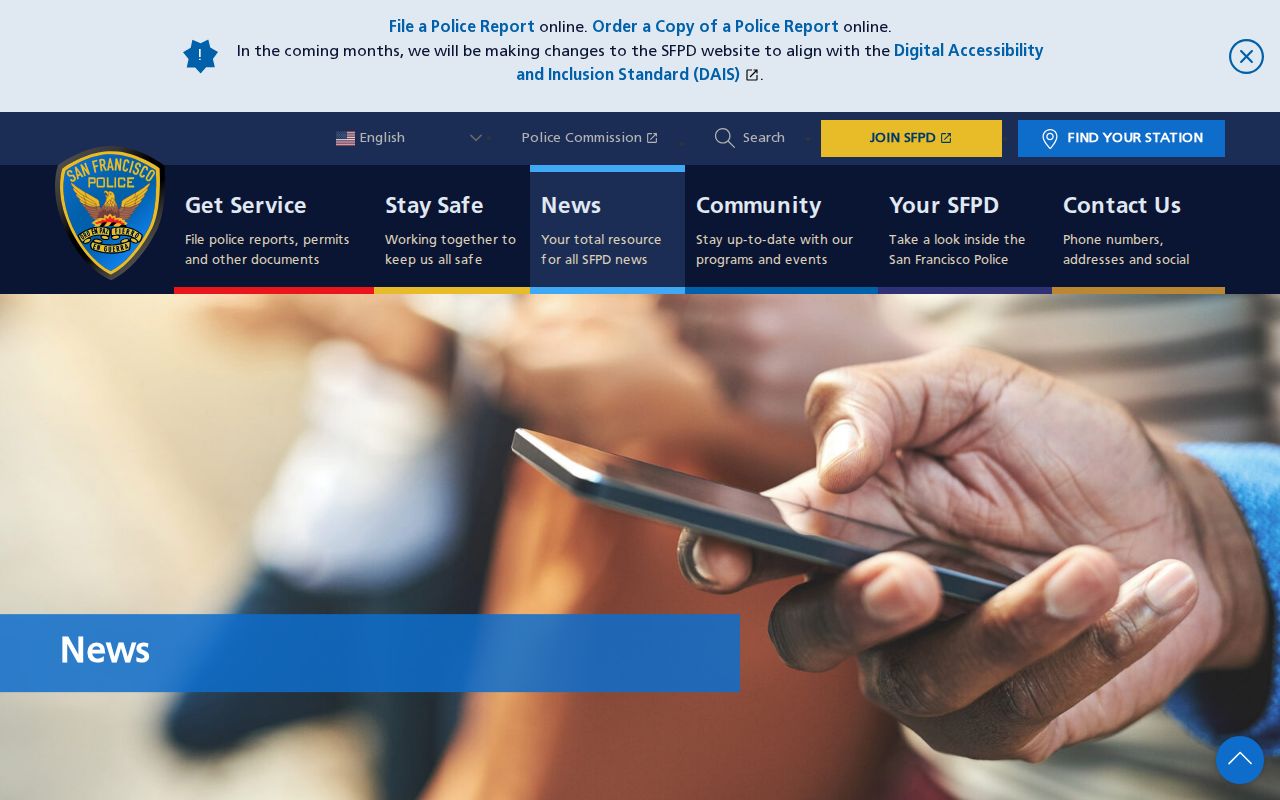
Treat an announcement as a lead. Then check booking status through the Sheriff locator. Confirm the court outcome through the proper official systems. That way a news tip becomes a verified arrest record.
San Francisco Arrest Trend Data
Logs and trend data answer different questions. The official Sheriff Jail Bookings dataset catalog tracks aggregate monthly booking counts. It has broken those counts out by demographic category since 2012. It offers neither names nor photographs. SFPD incident data uses another unit. It can include reports that never became a county booking.
Never add these counts casually. Sheriff bookings, SFPD arrests, incident reports, citations, and unique people are not interchangeable measures. Aggregate data serves broad patterns across months or years. Form 307 fits a single reported arrest; the locator fits current custody. The DataSF booking dataset landing page is the official home for aggregate research.
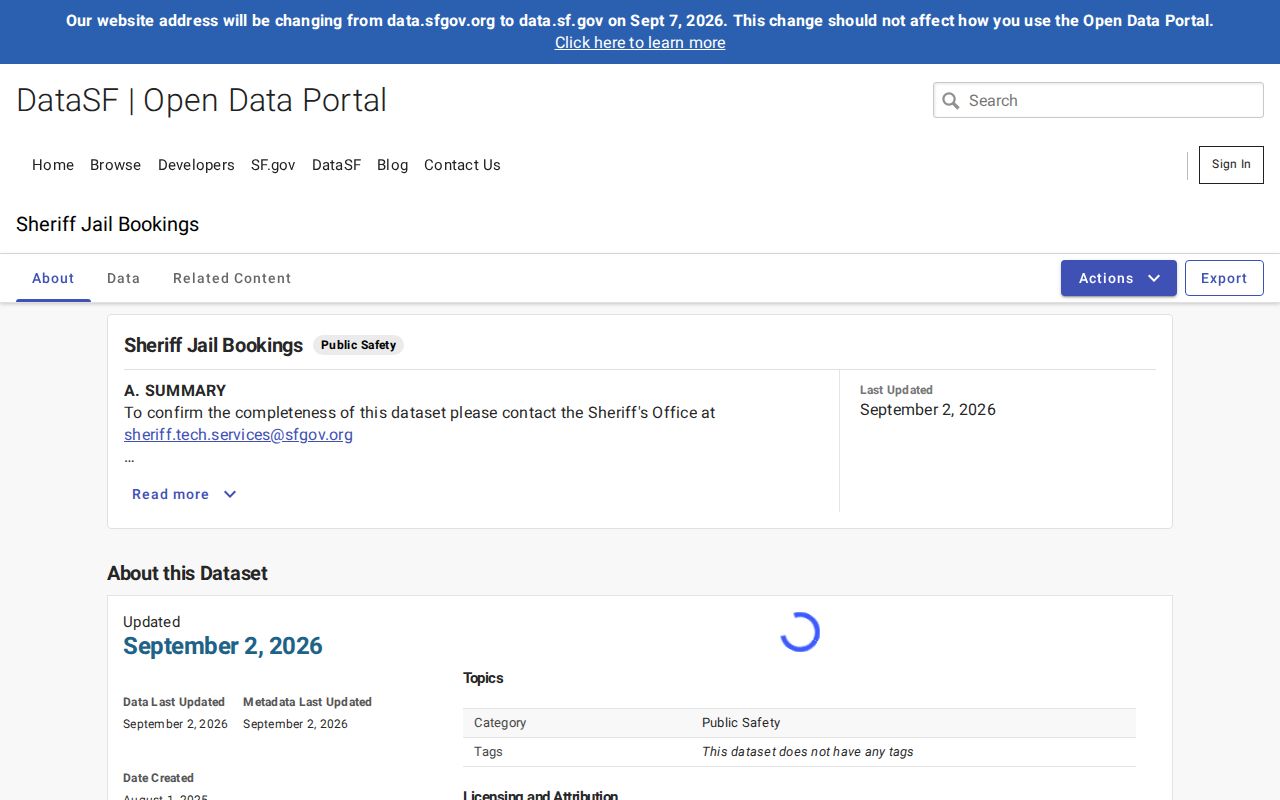
Its grouped totals support trend work, not a search for one arrested person.
From Arrest Log to Custody
A log entry tells you where someone was booked. It says nothing about where that person is now. For live status, the SFSO Find a Person in Jail locator covers current county custody and works with just three letters of the first and last name. An exact SF number or booking number works too. Match the booked-on date, facility, bond, court department, next court date, and docket rows to the police event before trusting the result.
Plenty can happen after the entry. The person may have been cited and released, moved within the county system, transferred, or already out the door. A prison sentence shifts the search to CDCR CIRIS. Federal custody runs through a separate Bureau of Prisons locator, and none of these channels extend the SFPD blotter.
- Police arrest log
- A report of an arrest event within the SFPD reporting period.
- Jail roster
- A current custody-facing search that can change after release or transfer.
- Court disposition
- The later result recorded by the court, not the charge written at arrest.
Older San Francisco Arrest Records
Nothing at the county promises permanence. No rule says how long a Form 307, booking photo, or locator entry stays online. Web visibility and retention are different things. A name can vanish from the live locator while SFSO still holds the full booking file. Archived PDFs sometimes outlive their own official pages.
Gaps happen. For a missing stretch, request the exact Form 307 from SFPD. Include the reporting dates, the name, and the police case or arrest number. Say which record type you want. County bookings run through SFSO's public-record request channel. Add the booking number and an approximate date. If a record's age or disposition matters, ask for the retention schedule too.
Older material leads to the California State Archives, but only after the local custodian comes up empty. Its guides list jail registers and photographic files as possible county holdings. That proves nothing about any modern San Francisco file. Use the search portal and reference desk as leads. They do not replace SFSO or SFPD.
For the court outcome, San Francisco Superior Court holds the file. Note: Ask for a record series and a date range, since no source keeps every arrest record online forever.
Unofficial San Francisco Arrest Pages
Third-party arrest sites sit well below the official form, roster, and court record in value. Jail Exchange keeps a San Francisco Intake & Release Center page. The content is generic. It points back to SFSO without any sign of a live data deal. Mugshots.com carries a San Francisco City & County category. Freshness and completeness there are shaky at best. Other big directories skip solid local San Francisco sections.
No faces are copied here. A stale charge or an old photo cannot show who is still in jail or how a case ended. When an outside page clashes with the agency record, start with SFSO, SFPD, and the court, then try the publisher's correction process.
Public Record Search
Sponsored Results