
San Francisco Arrest Roles
San Francisco is a city and a county in one. That split shapes who holds which arrest record. The San Francisco Police Department is the main municipal arresting agency. Its officers write police reports plus the daily Form 307 arrest sheet. State, local, and federal partners also arrest people in the city. Once a person enters county custody, control shifts. The San Francisco Sheriff's Office then takes over booking and jail status.
County Jail #1 is the first booking stop. It operates as the Intake & Release Center at 425 7th Street. Booking records identity, charges, property, and custody data. People may move to another Sheriff facility afterward. The facility field therefore shows current housing, not the arrest location. An arrest announcement also says nothing about custody today.
The Census counted 827,526 residents on July 1, 2024. San Francisco is the county's only incorporated place. The Mission, SoMa, Bayview, and Tenderloin are neighborhoods, not separate jurisdictions. Every neighborhood arrest stays a city and county matter.
Where San Francisco Arrests Appear
No one channel shows everything. An arrest event, a live jail status, a booking photo, and a case outcome each live in different places. Start with official sources. The Sheriff's locator displays no booking photograph, and SFPD's public arrest-log page is currently offline.
| Channel | What it provides | Status |
|---|---|---|
| SFSO jail locator | Custody, facility, booking, bond, court, and docket fields; no current public photo | Official |
| SFPD Form 307 policy | Daily arrest fields and internal distribution workflow | Official form |
| Superior Court | Criminal queries, weekly index, calendars, and later case action | Official |
| Public Safety News archive | Delayed monthly or half-month Form 307 PDFs | Unofficial archive |
| Jail Exchange local page | Signpost back to SFSO; freshness and data contract not established | Unofficial |
Third-party sites copy each other. Stale charges and mixed-up names travel fast. Treat them as leads only. Confirm details with the Sheriff, SFPD, or the court before relying on anything.
Find an Arrested San Francisco Person
How recent the arrest is shapes your search. Booking data can lag behind the actual event. No office publishes a fixed posting schedule. Search a name plus a stable identifier such as a birth date whenever you can.
- Check the 24 Hour Arrests explanation for the same-day reporting window and current source limits.
- Search the SFSO locator with the first three letters of the first and last name, an SF number, or an exact booking number.
- Compare age, facility, booking date, and docket fields before accepting a match.
- Call (415) 553-1430 if custody status is time-sensitive or intake may still be underway.
- Use the Arrest Log for delayed multi-day Form 307 research, then check the court for later disposition.
A blank result can mean several things. The person may have been cited and released. Intake may still be underway. Another agency could hold them, or the name spelling simply differs.
San Francisco Form 307 Reporting
Form 307 is San Francisco's own daily arrest artifact. Each report covers 0001 through 2400 hours. It lists arrest time, name, address, birth date, sex, charges, arrest location, and a case or arrest number. The procedure calls for emailing it by 0900 to named department recipients. That is an internal distribution rule. It does not promise a public web page updating every morning. The official SFPD Form 307 policy documents this workflow.
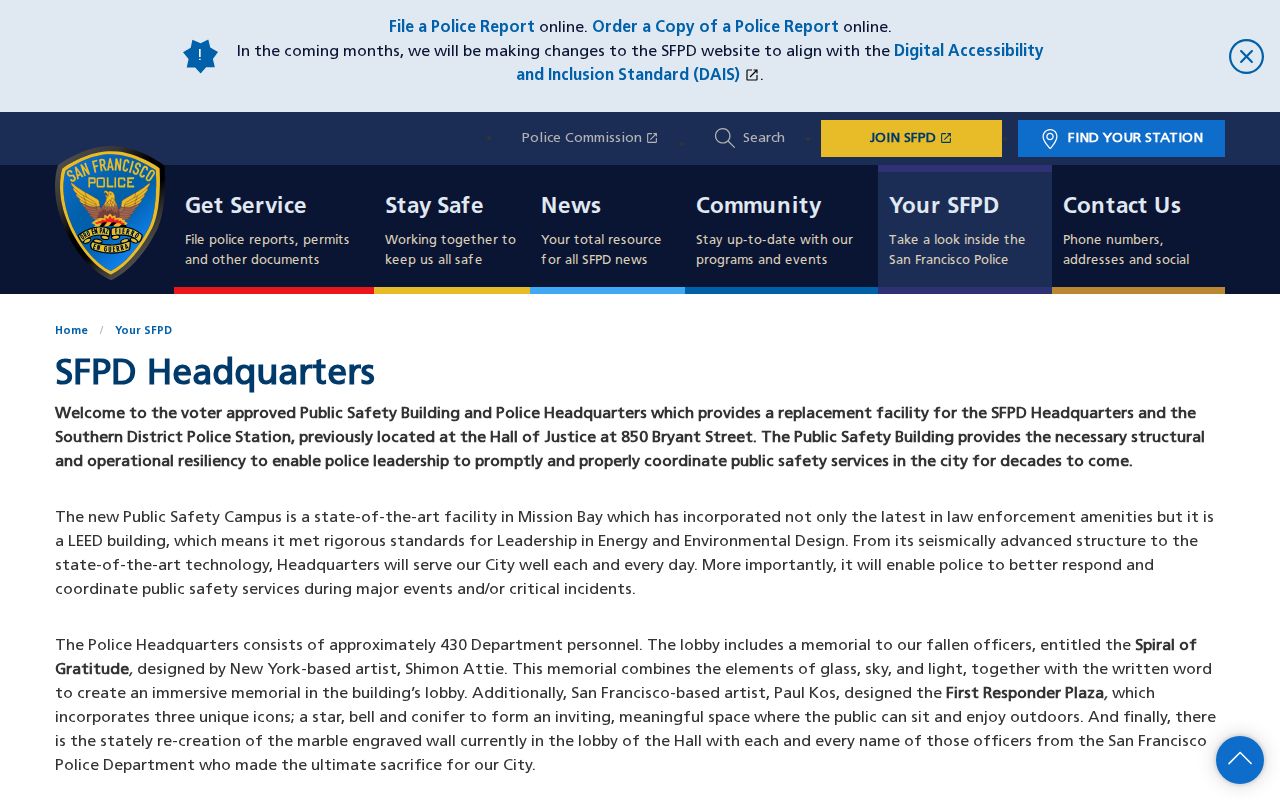
SFPD headquarters is the police record custodian. The Sheriff's office is separate and runs jail custody. The department's public arrest-log page is currently unavailable. An unofficial Public Safety News archive keeps monthly and half-month copies. Its dates show delayed batch posting, so use it for history rather than live custody decisions.
Police and Sheriff Records
Ask whichever office created the record. SFPD holds incident reports and police evidence. The Sheriff's office holds the booking and custody file. Booking photos are a different question: the public locator shows none, and privacy rules or exemptions may block release.
- Identify the arrest date, name, and SFPD case number or Sheriff booking number.
- For an incident report, follow the SFPD report-copy instructions.
- For a booking record or image, use the SFSO public-record request page and GovQA.
- Describe the record narrowly and request an electronic copy when suitable.
- For the later criminal file, use the Superior Court records route.
The official incident-report page presents SFPD’s current request path.
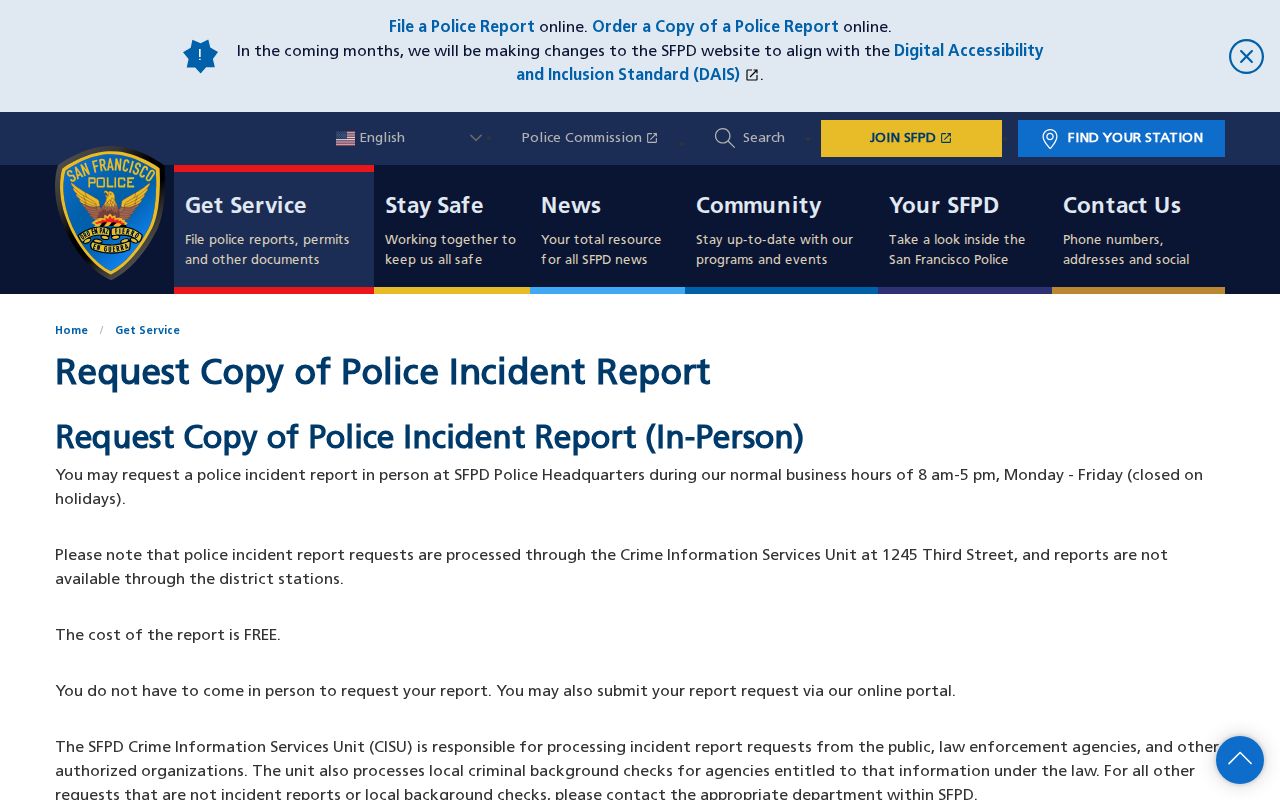
This police request route stands apart from the Sheriff's booking-record portal. Picking the right custodian up front saves time. A misdirected request just bounces back. Match the record to the office that made it.
San Francisco Police Department1245 3rd Street
San Francisco, CA 94158
Main: (415) 837-7000
Records Management: (415) 575-7230
Public records and ID Bureau: (415) 553-1415
When Bookings Become Searchable
An arrest, a Form 307 entry, jail booking, and a locator listing happen at different moments. County Jail #1 processes identity, health, and custody first. Only then does a stable booking record exist for the public to find. The Sheriff publishes no guaranteed refresh interval. So a fresh San Francisco arrest can be real yet unsearchable. Call the jail line when status is urgent.
People often move to County Jail #2 or County Jail #3 in San Bruno later on. The locator's facility field changes with that move. It is housing, not a new arrest. VINELink works differently: once a custody record appears, the VINELink Check can send release or transfer alerts. It offers no booking photo and no substitute for direct Sheriff confirmation.
San Francisco Arrest News Coverage
News coverage of San Francisco arrests is patchy by nature. Mission Local’s Trouble section covers city crime, including some arrests. Its 16th-and-Mission project digs into initial SFPD incident reports. Those reports led to an arrest or a citation. That is a single neighborhood lens. It cannot capture every booking across the city. The Chronicle and KQED also run crime, jail, and court stories on a selective basis. SFPD News posts official releases about notable cases rather than any daily arrest list.
For ongoing arrest data, Public Safety News offers the deepest multi-day Form 307 archive. The host is unofficial, though. Jail Exchange maintains a San Francisco Intake & Release Center page. Mugshots.com lists a San Francisco City & County category inside its California directory. Neither outranks official custody or court records. RecentlyBooked, Busted Newspaper, Arrests.org, and Mugshots.zone publish no genuine San Francisco-local feed. Pages from other counties therefore do not belong here.
Immigration Custody Boundaries
San Francisco jail rules matter here. SFSO policy bars booking a person on a federal immigration detainer alone. City administrative law further limits cooperation with civil detainers. None of that stops federal immigration custody outright. It simply explains a gap you might see. Someone can be held by another authority. That person may still never show up in the county jail locator.
For ICE custody, use the ICE Online Detainee Locator and keep that result clearly separate. The county roster, the ICE locator, and a federal court record each answer a different question. Treat a blank in one system as proof of nothing about the others.
Reading San Francisco Booking Details
An SFSO result card packs in a lot of detail. You may see a full name, age, current facility, SF number, booked-on date, booking number, total bond, next court date, court department, and charge-level docket rows. Each field belongs to the booking or custody stage. The SF number marks the person. The booking number marks one intake event. Telling them apart helps you separate repeat bookings from two people who share a name.
Bond is simply a release condition. A docket lists the court’s filings and events. Arraignment is the early hearing where charges are presented and pleas may be entered. Disposition refers to how the case ends. Police wording, Sheriff charge rows, and court entries often disagree. Save the booking number and check the Superior Court rather than expecting every label to line up.
The public locator shows no booking photograph. A photo may still sit in an agency file. Getting one is a separate records question. California law allows exemptions and protected redactions. Law-enforcement social posting of some nonviolent-arrest photos is restricted. Use the SFSO request channel for a specific lawful record need. Skip any commercial gallery, and never pay a service promising special access.
Public Record Search
Sponsored Results